Interview – Chef Kenji Morimoto
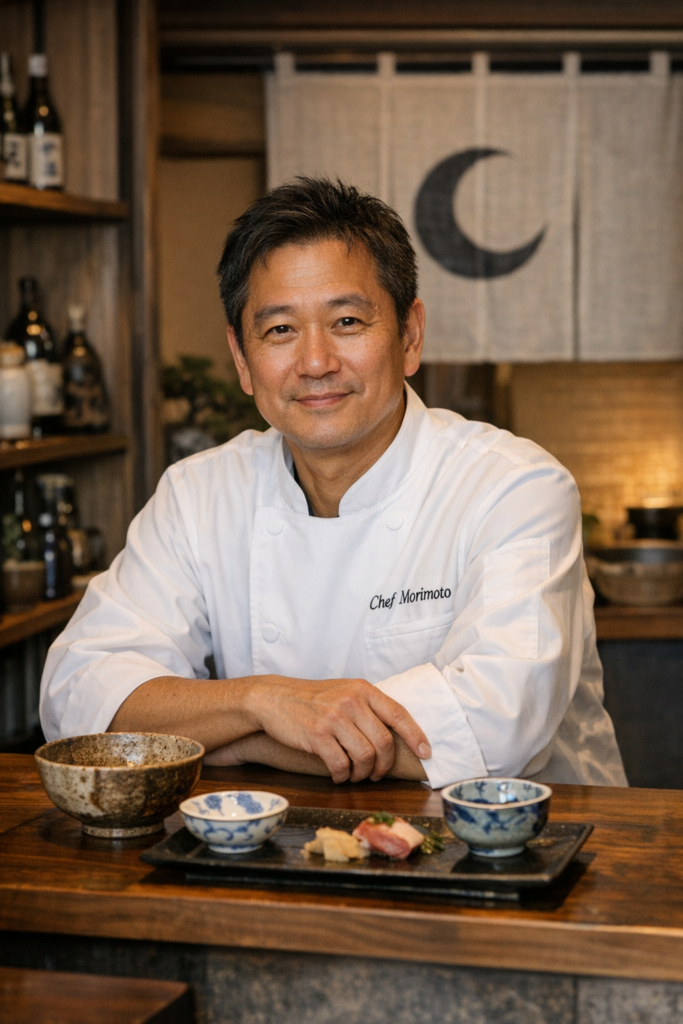
Interview – Chef Kenji Morimoto, Head Chef of “Tsukimi” (Paris)
Can you introduce yourself and your restaurant?
My name is Kenji Morimoto, and I am the head chef of Tsukimi, a Japanese restaurant located in Paris. Our cuisine is inspired by traditional kaiseki, with a strong focus on seasonality, balance, and visual harmony. For us, presentation is as important as taste.
Why is tableware so important in Japanese cuisine?
In Japanese gastronomy, tableware is part of the dish. The plate, the bowl, the texture, and even the weight in the hand influence how the guest experiences the food. A dish served in the wrong bowl can lose half of its meaning. That’s why we are extremely careful when choosing our tableware.
How did you come to work with Akazuki’s wholesale department?
When opening the restaurant, we were looking for authentic Japanese tableware that would suit a professional kitchen in France. Akazuki immediately stood out because they understand both Japanese craftsmanship and the practical needs of restaurants. Their wholesale department made it easy to order consistent collections in larger quantities.
What do you appreciate most about working with Akazuki?
First, the quality and authenticity of the products. The ceramics feel true to Japanese traditions, yet they work perfectly in a modern Parisian restaurant. Second, the guidance: the wholesale team helped us select pieces that matched our menu and explained which items were best suited for intensive restaurant use.
How does the ordering process work for you?
It’s very smooth. We can plan our orders in advance, reorder the same references, and ensure visual consistency across the tables. This is essential for us, especially when replacing or expanding our tableware over time.
Would you recommend Akazuki to other chefs or restaurateurs?
Absolutely. For chefs who care about authenticity, aesthetics, and reliability, Akazuki is a trusted partner. Their wholesale department truly understands what restaurants need, not just from a design point of view, but also from an operational one.
A final word?
Good food deserves the right stage. With Akazuki’s tableware, we feel that our dishes are presented the way they were meant to be seen.
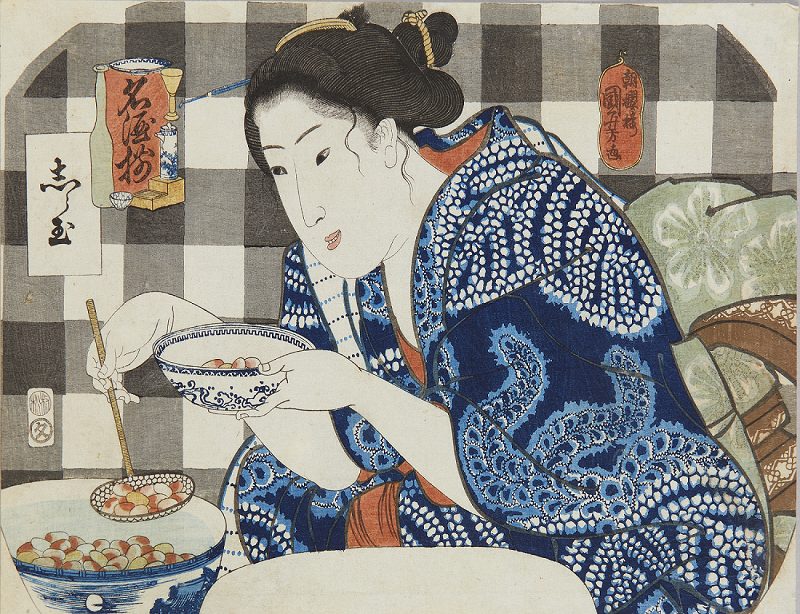
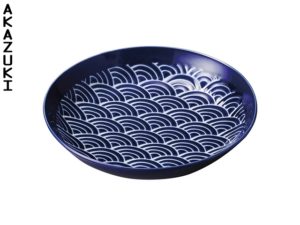 The Osara, the Japanese equivalent of a dinner plate, is used for serving a variety of dishes. Osara are often made from ceramics and can vary greatly in size, shape, and design based on the specific food being served.
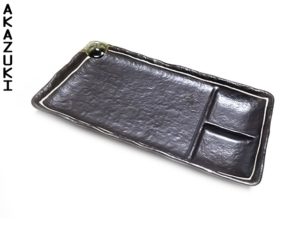 Sushi-Zara are rectangular or oval plates specifically designed for serving sushi. Their elongated form provides the perfect platform for presenting sushi rolls or nigiri in an elegant and organized manner.
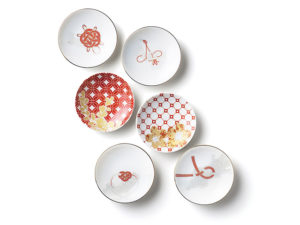 Kozara are small plates used for individual servings of appetizers, side dishes, or condiments. They are typically used to serve foods like pickles, wasabi, or soy sauce.
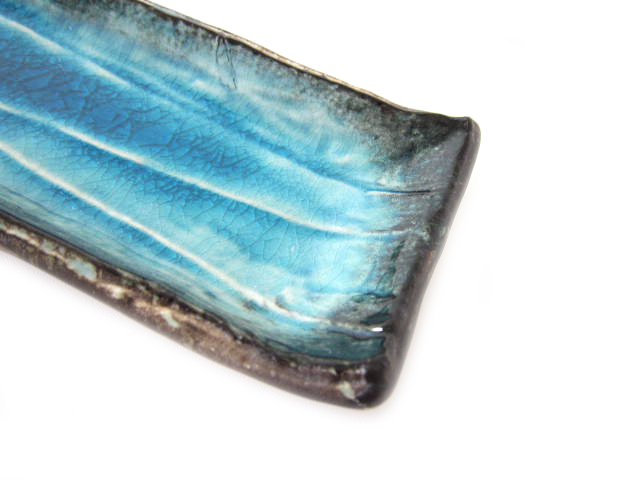
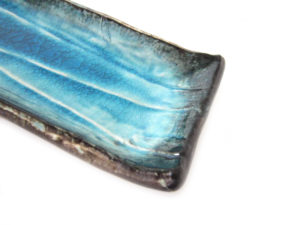 Nagazara, or long plates, are used for serving long, slender foods like grilled eel, tempura, or yakitori skewers. They are also perfect for arranging slices of sashimi.
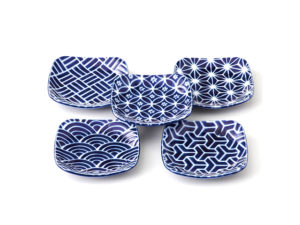 Kaku-zara are square plates that are often used to serve traditional Japanese sweets or bite-sized appetizers. They are also popular for Bento lunches, as they allow for neat compartmentalization of different food items.
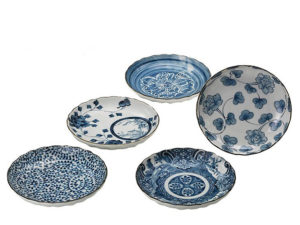 These larger trays or platters are used to serve communal dishes or an array of different foods for multiple people. They are often used in formal dining situations.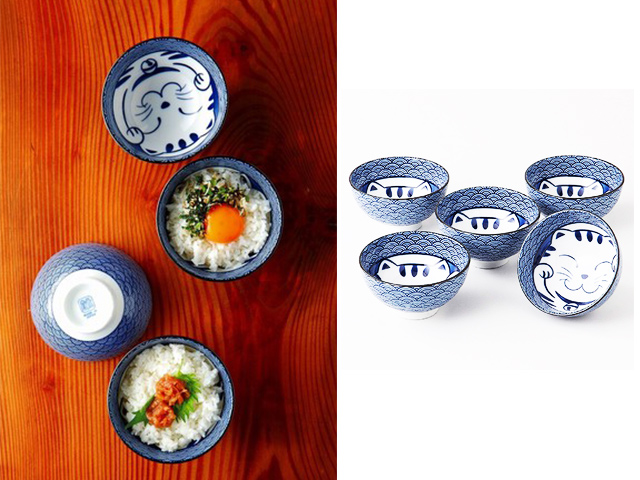
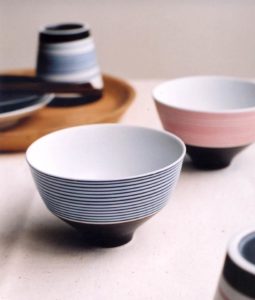 The chawan, a cylindrical
 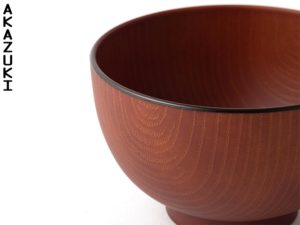 Wan is a generic term for bowls in Japanese, but it’s often used to refer specifically to miso soup bowls. These bowls are typically made of lacquered wood and have lids to keep the soup warm. The lid also serves the purpose of enhancing the eating experience by letting the diner enjoy the aroma of the soup when lifted.
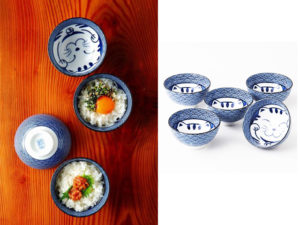 Menbachi, meaning “noodle bowl,” is larger and deeper than the standard rice bowl, designed to hold the hearty servings of ramen, udon, or soba noodles. On the other hand, Donburi bowls are used for dishes where various ingredients are served over a bed of rice, such as gyudon (beef bowl) or katsudon (pork cutlet bowl).
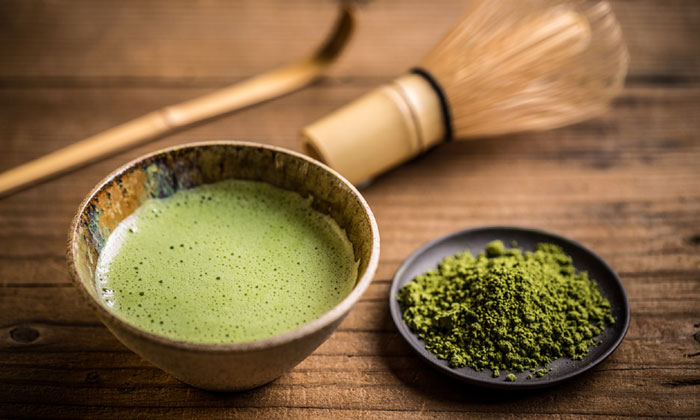
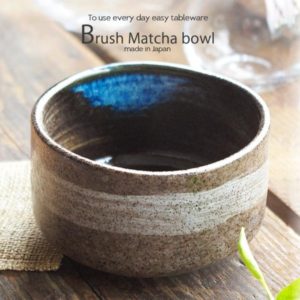 While the term ‘chawan’ is used for rice bowls, it also refers to the bowls used in the Japanese tea ceremony, known as ‘matcha chawan’. These
 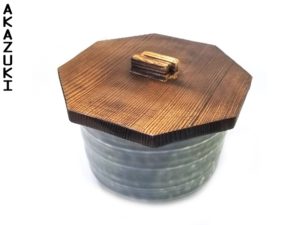 Owan refers to larger bowls used for serving communal dishes or individual portions of larger dishes like stews or hot pots. They can be lidded, similar to miso soup bowls, and are commonly made of ceramic, glass, or lacquered wood.
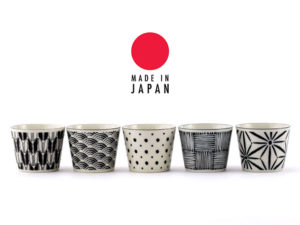 Despite the name, soba choko is a versatile piece of tableware and can be used for more than just soba noodles. It is smaller and often used for side dishes or dipping sauces.