Shipping ceramics across an ocean sounds like a recipe for breakage, and first-time buyers often assume losses will be significant. In practice, with proper packing, it’s a much smaller problem than expected.
The packing basics that actually matter
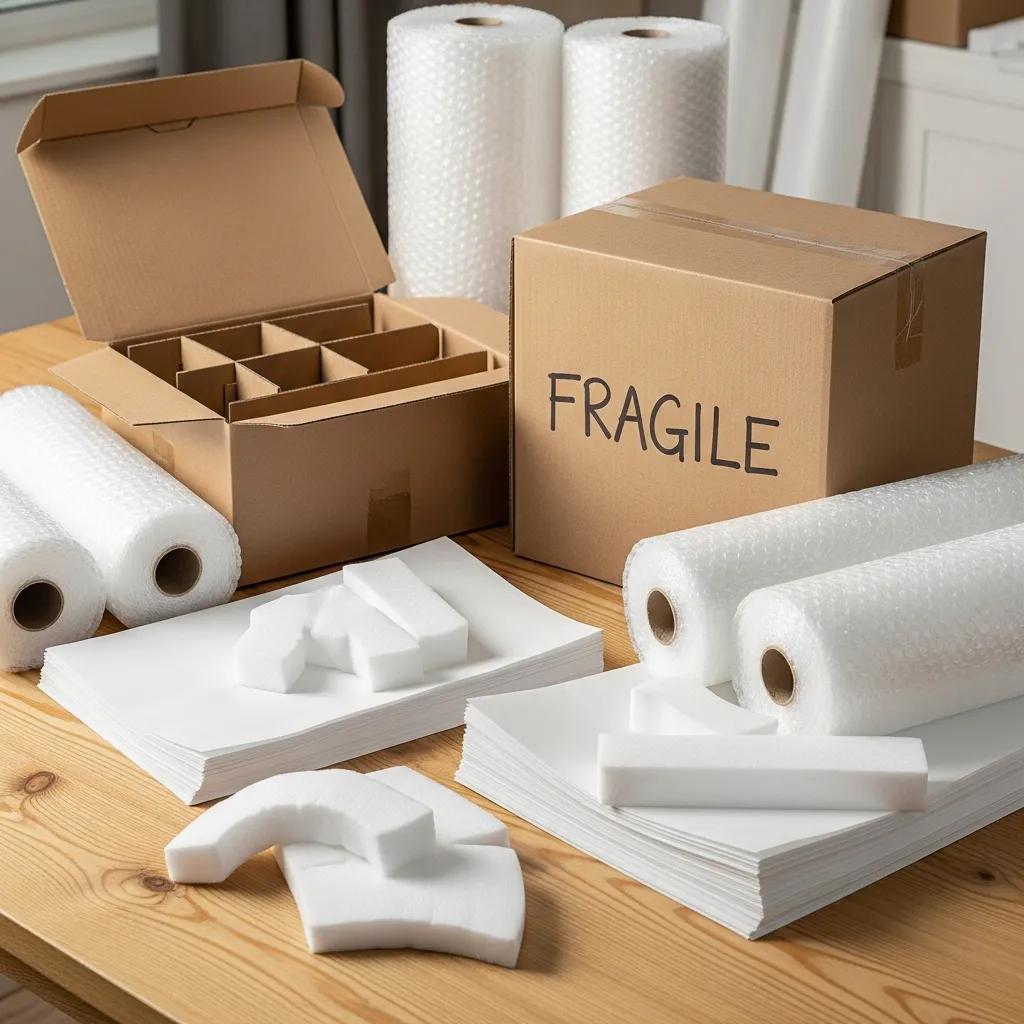
Individual wrapping (paper or foam sleeves) around each piece, rigid divided inner cartons that keep pieces from shifting against each other, and a properly sized outer carton with enough cushioning material to prevent movement during transit, not just at the moment of packing, are the core of low-breakage shipping. Wide, thin-rimmed plates get the most attention here, since the rim is where damage starts.
Why container loading matters as much as the boxes themselves
Even well-packed boxes can shift and crush each other if a container isn’t loaded and braced properly. Heavier, sturdier items go on the bottom and toward the container’s structural points, lighter or more fragile cartons go higher and more protected, rather than loading by order of convenience. Cast iron is the obvious bottom-of-the-container category.
What a reasonable breakage rate actually looks like
With proper packing, breakage on an ocean freight ceramics shipment should be a small fraction of the total order, not zero, some loss is realistic over a multi-week sea journey, but nothing close to the level that makes buyers nervous before their first order.
What happens when something does break in transit
This is exactly why it’s worth confirming with your supplier upfront what happens if a piece arrives damaged, before you need the answer, not after.
What buyers can do on their end
Inspect cartons on arrival before signing off with the carrier, and document any external damage immediately. A claim is far easier to support with photos taken at the point of delivery than with a report filed days later.
Common questions
Is air freight meaningfully safer for fragile items than sea freight? Not dramatically, the packing standards matter more than the transit method itself, air freight’s main advantage is speed, not gentler handling.
Should I ask for extra packing on a first order specifically? It’s reasonable to ask what the standard packing includes, most established suppliers won’t charge extra for what should already be standard practice.
Have questions about how a specific order would be packed? Reach out through our catalog request form and we’re happy to walk through it.
Leave a Reply